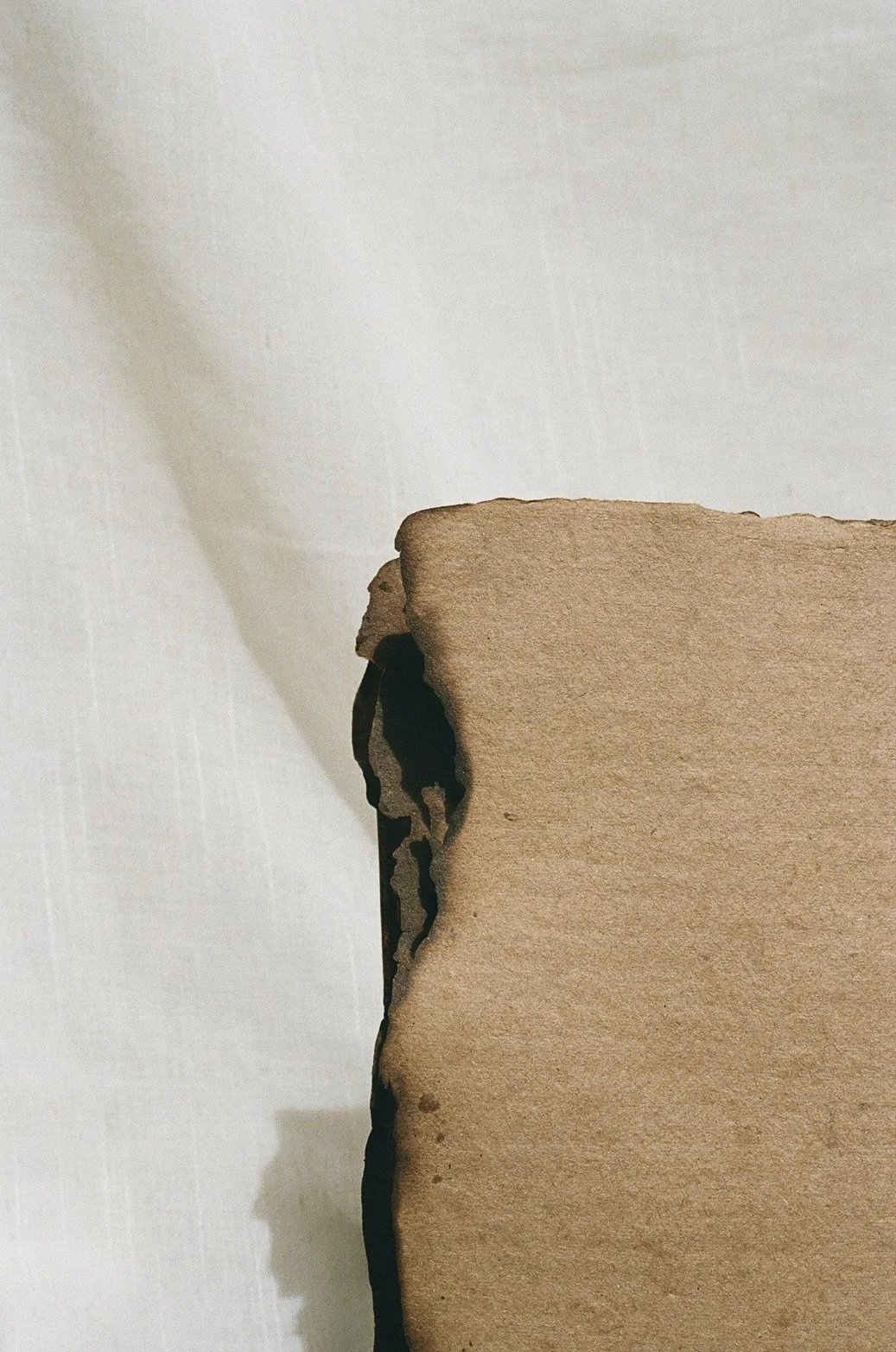
Lost as Sea
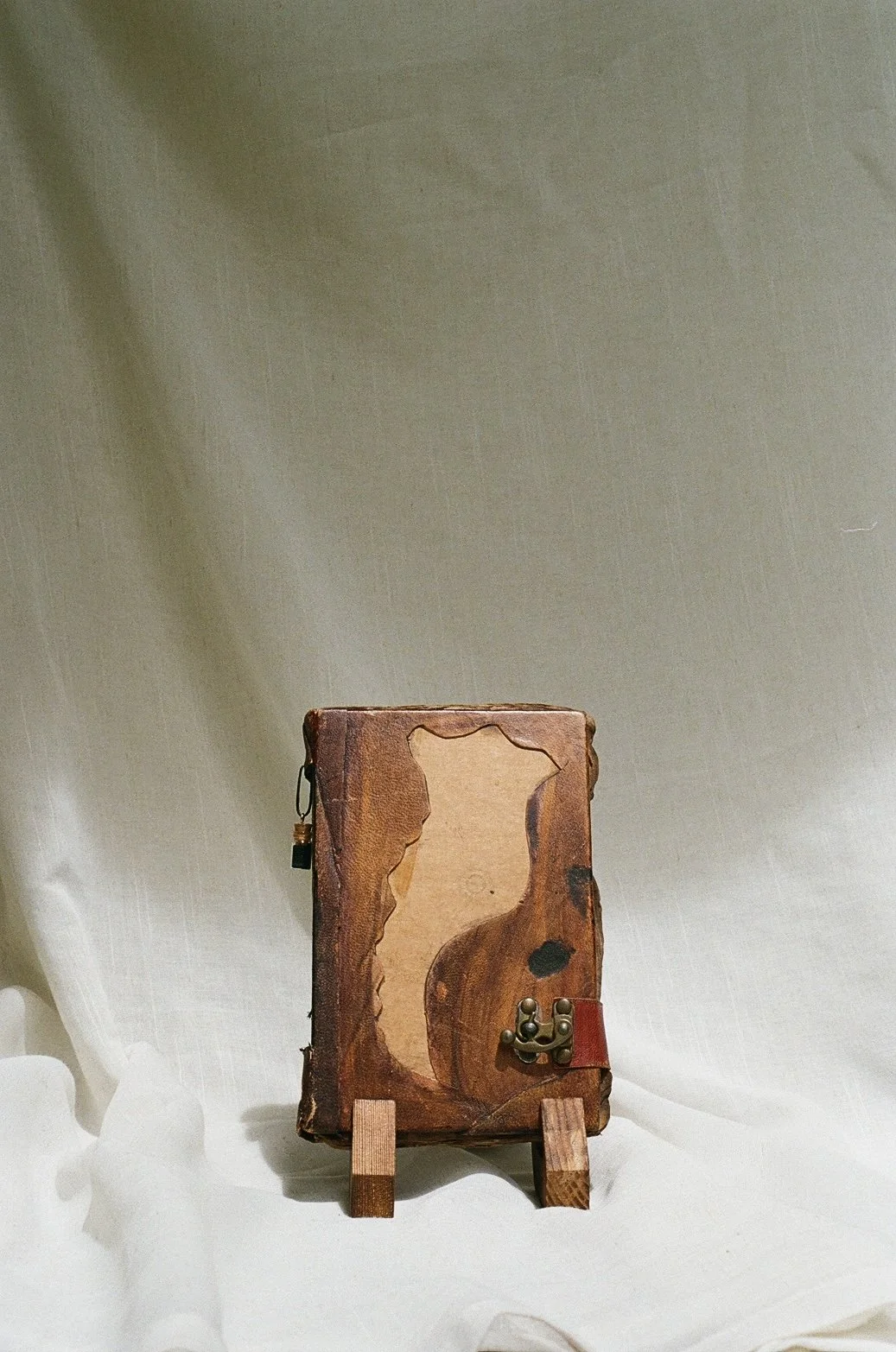
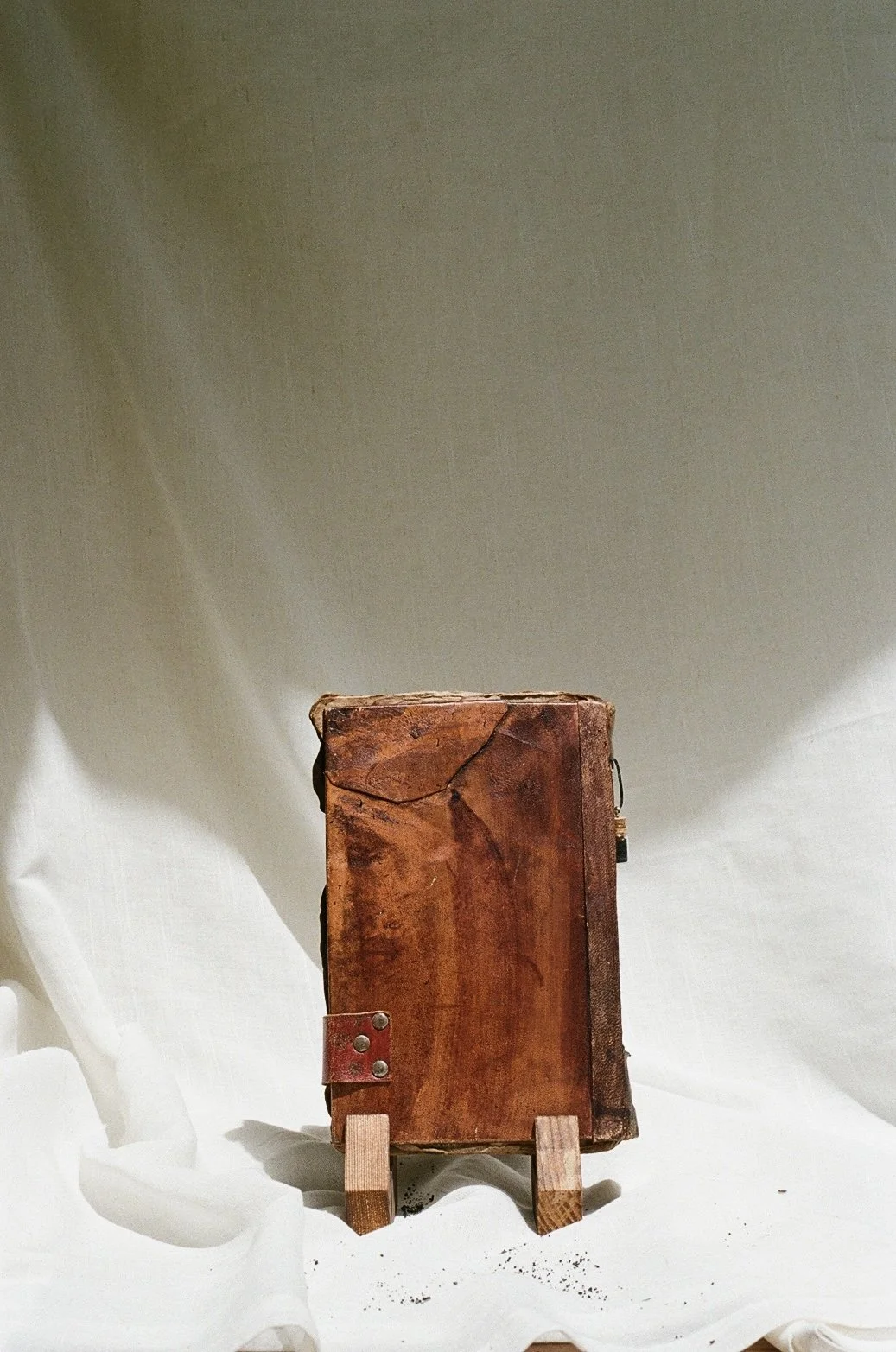
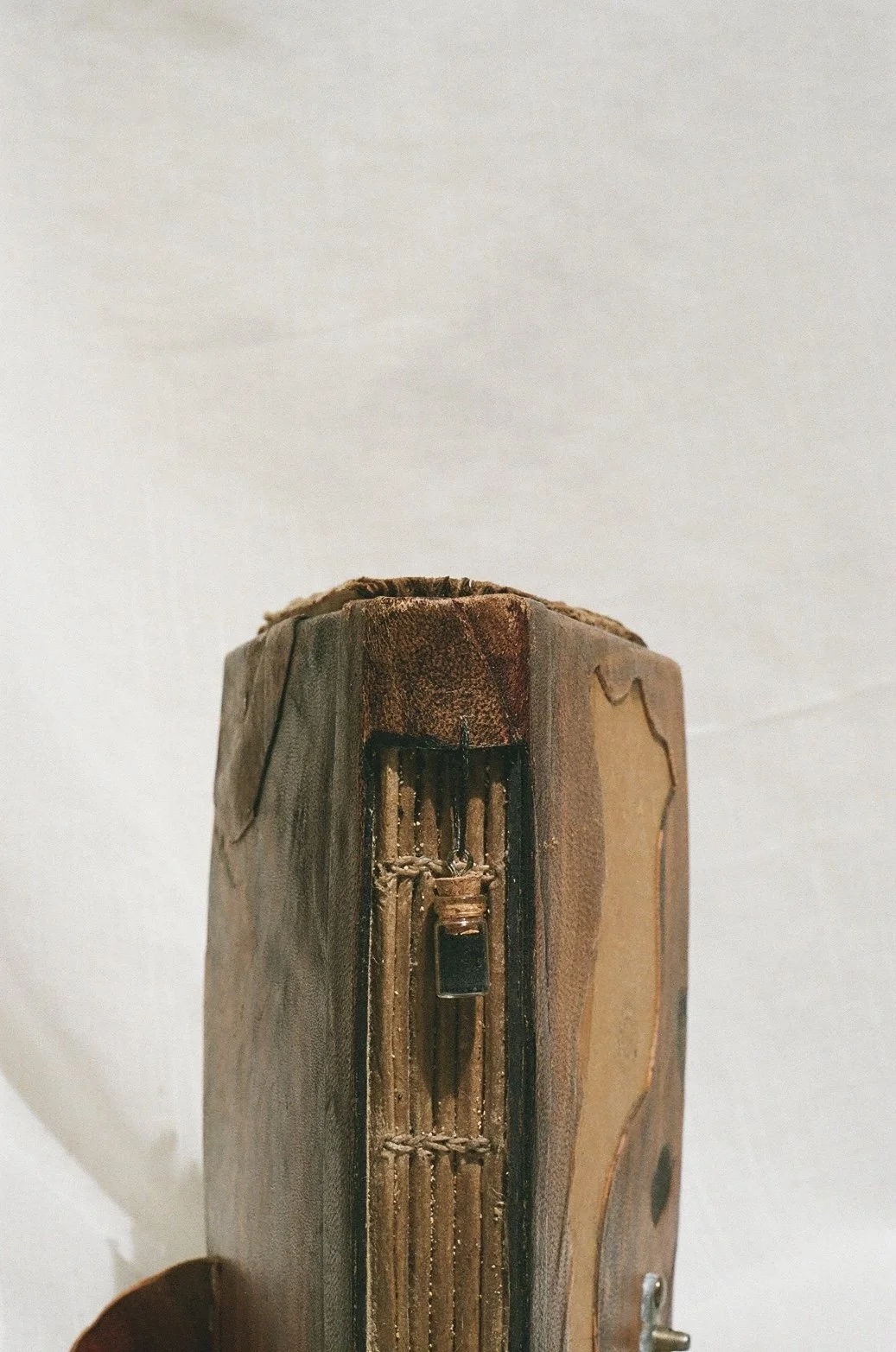
The Seafarer’s ledger does not merely tell a tale; it unearths a chronicle layered in obsession and dark tragedy. Beneath its weathered pages lie fevered accounts of the unseen—of leathery-winged creatures dropping like shadows through the canopy, and gnarly, carnivorous plants waiting in the humid rot. The book feels alive, heavy with the secrets of a tropical abyss, practically demanding to be filled with the world's most beautiful horrors.
Ingredients
Recycle Brown Bags
Toilet Roll Ends
Lighter
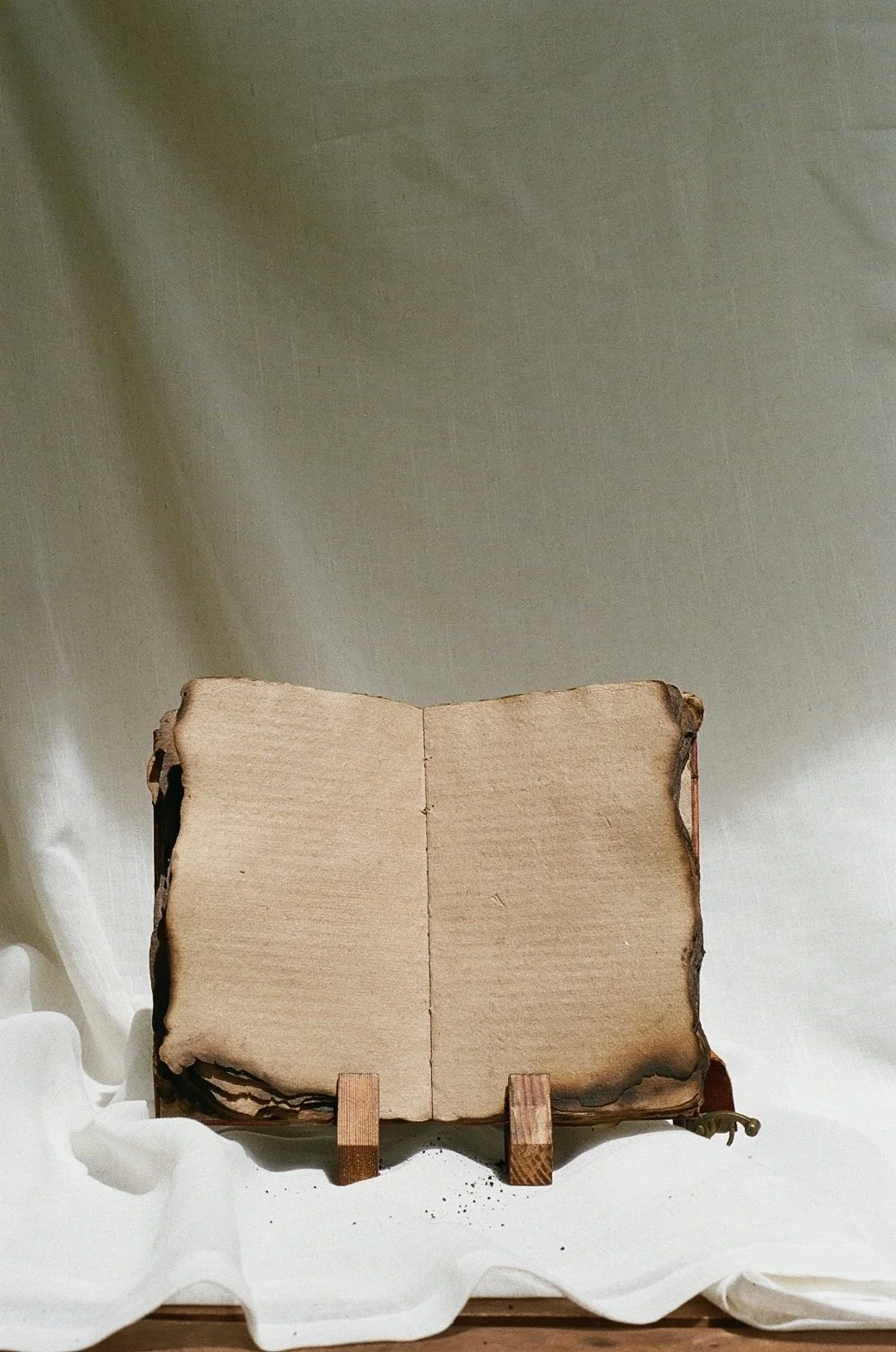
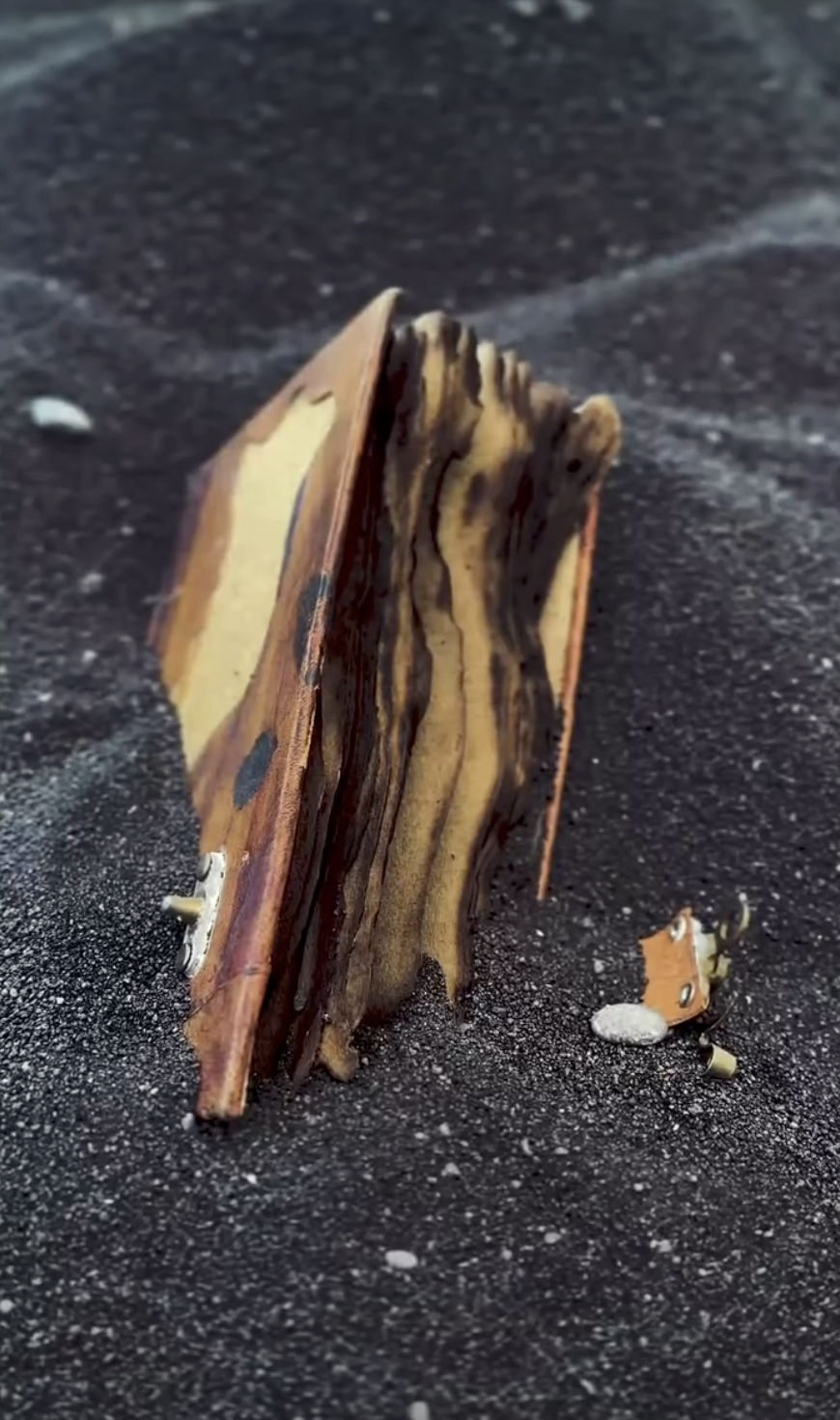
The moment the urge to burn the pages took hold, there was no turning back. This book feels weathered by tragedy—as if it survived a dying ship bursting into flames, lost to a dark, swallowing sea. It guards secrets meant to stay buried. Picture a sailor’s journal, salvaged from a blazing shipwreck and dragged into the abyss, only to wash ashore on the black sands of Hawai’i. It holds heavy, forbidden secrets. Cold to the touch, charred at the edges, it waits on the tide—daring you to open it.
~
I made a few pages using leftover grocery store paper bags to answer a simple question: Can I actually bind a book out of these? We all have that one cabinet overflowing with a mountain of paper bags, so why not upcycle them into something we can use over and over again? The short answer is yes—but as with any craft, the true story is in the details.
To understand why brown paper behaves the way it does, you have to look at the anatomy of a tree. Brown paper is made from unbleached wood pulp derived from the tree's inner core. Traditionally, artisanal papermaking relies on bast fibers (found in the inner bark of plants like flax, hemp, or mulberry). In those plants, the natural "glue" holding the fibers together is weak, allowing us to easily separate and harvest long, intact strands. Trees, however, are a different beast. The natural lignin—the organic glue binding the wood core—is incredibly strong, engineered by nature to withstand violent winds and elements. To break this core down into paper pulp, the wood must be aggressively chopped and chemically processed. This brutal process shears the wood into very short fibers, which ultimately creates a weaker, more brittle sheet of paper.
By contrast, the paper I made for painting the Sun and Moon was crafted from 100% flax fiber. Those pages are highly archival and exceptionally strong because the fibers were gently "beaten" rather than chopped, leaving long, resilient strands that weave together like a dense fabric. But a structural weakness is just an invitation to experiment. To work around the short fibers of the grocery bags, I introduced a bit of papermaking alchemy: internal sizing. I used a chemical compound called Alkyl Ketene Dimer (AKD) emulsion, which acts as a retention aid and strengthens the fiber bonds. This prevents water-based mediums from instantly bleeding and feathering across the page. For a more traditional approach, you can also use gelatin or cornstarch to help "glue" those stubborn, short fibers together.
Ultimately, this book became a beautiful experiment with a rewarding learning curve. Not all fibers are created equal. Every plant, tree, and leaf holds a completely unique kind of paper just waiting to be extracted—it's all out there waiting for us to discover it.